Commercial kitchens work hard every day. Sinks, floor drains, and grease traps handle a constant flow of water, food waste, oils, and grease. When your grease trap stops doing its job, problems can spread throughout your kitchen fast. What starts as a small buildup can quickly create odors, messes, and a bad look for your business.
The good news is that grease traps usually give you warning signs before bigger problems develop. Spotting these signs early can help you maintain a clean kitchen and prevent bigger problems.
Signs Your Commercial Kitchen Grease Trap Is Overflowing
Commercial kitchens deal with heavy grease buildup every day, and small warning signs can quickly turn into larger cleaning issues. Here are some of the 10 clearest signs that your commercial grease trap needs professional attention.
1. Slow Drains Around the Kitchen
One of the first signs of grease buildup is slow-moving drains. Water may take longer to leave sinks, floor drains, or dishwashing areas. While a single slow drain may seem minor, it often points to a larger issue developing inside the grease trap.
As grease collects, it reduces the space available for water to flow properly. This can affect multiple drains throughout your kitchen.
Professional drain cleaning can remove accumulated buildup and help restore normal flow. It also supports smoother daily operations and reduces the risk of future drainage problems.
2. Strong Odors Near Sinks and Drains
Unpleasant smells coming from drains are another common warning sign. Grease, food particles, and other debris can collect inside the trap over time. As this material sits, it can create powerful odors that spread throughout the kitchen.
Many businesses try surface cleaning or air fresheners to hide the smell. Unfortunately, those solutions rarely address the source of the problem.
A professional cleaning service removes the hidden buildup causing the odor. This helps improve cleanliness and creates a more pleasant environment for employees and customers alike.
3. Grease Backing Up into Sinks
Few things make a worse impression than seeing dirty water and grease rise back into a sink. Overflowing grease traps often cause wastewater to back up instead of draining away.
This creates an unpleasant appearance and can make work areas difficult to maintain.
If you notice grease or dirty water returning through drains, it is time to schedule professional service. Fast action can prevent a larger cleanup issue and help maintain your facility’s standards.
4. Greasy Floors Around Work Areas
When grease traps become overloaded, grease can spread beyond the plumbing system. Floors around sinks, dish stations, and prep areas may develop a slick residue that seems to return even after cleaning.
Greasy floors create multiple challenges:
- Work areas look dirty and neglected.
- Employees spend more time cleaning.
- Surfaces become harder to maintain.
- Overall cleanliness suffers.
Professional cleaning removes grease from hard-to-reach areas and helps restore a cleaner appearance throughout the kitchen.
5. Standing Water Near Floor Drains
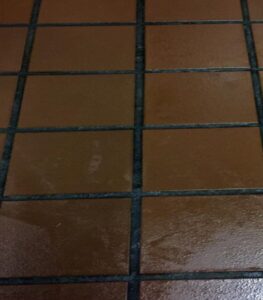
Water pooling around floor drains should never be ignored. Standing water often signals a blockage somewhere in the drainage system. In many cases, grease buildup inside the trap is the source of the problem.
Even small pools of water can quickly make a kitchen look poorly maintained. During an inspection, standing water may also raise concerns about overall facility upkeep.
Professional grease trap service helps clear blockages and restore proper drainage. This supports a cleaner workspace and helps your kitchen operate more efficiently.
6. Frequent Drain Cleaning Problems
Do your employees constantly deal with clogged drains? If so, the grease trap may be overloaded.
Many businesses spend time addressing the same drain problems again and again without solving the root cause. Temporary fixes may provide short-term relief, but the underlying buildup remains.
Professional grease trap cleaning targets the source of the issue. Instead of repeatedly treating symptoms, you can address the actual problem and improve long-term prevention efforts.
Consistent maintenance also helps support smoother kitchen operations and reduces unexpected disruptions.
7. Dirty Residue on Kitchen Surfaces
An overflowing grease trap does not always keep its effects hidden underground. Grease particles can spread onto nearby walls, counters, equipment, and other surfaces.
This residue often makes cleaning more difficult. Even after wiping surfaces down, kitchens may continue to look dirty because the source of the contamination remains active.
Signs of grease residue may include:
- Sticky counters
- Greasy equipment surfaces
- Discolored walls
- Film buildup around sinks
Professional cleaning helps remove accumulated residue and restore a cleaner appearance throughout the facility.
8. Kitchen Odors Reaching Dining Areas
Strong odors should stay out of customer-facing spaces. When grease trap problems worsen, unpleasant smells often move beyond the kitchen and into dining rooms, waiting areas, or customer entrances.
Guests notice odors immediately. Even if your food and service are excellent, bad smells can create negative first impressions.
Routine grease trap maintenance helps control odor sources before they affect customer experiences. A cleaner-smelling facility reinforces professionalism and supports your business image.
9. Grease Buildup Around Outdoor Disposal Areas
Some grease trap issues eventually extend beyond the building itself. Overflow problems can contribute to stains, residue, and odors around outdoor waste and disposal areas.
These areas are often visible to customers, vendors, and employees. A neglected exterior can create the impression that cleanliness is not a priority.
Professional cleaning services keep grease buildup under control and help your property stand out for the right reasons and not the wrong ones.
10. Employees Struggling to Keep Areas Clean
When grease problems continue to return, your staff may find it increasingly difficult to maintain the appearance of the kitchen.
Employees can clean surfaces repeatedly and still feel like the space never looks fully clean. That is often because the grease trap issue continues to introduce new buildup into your kitchen.
Professional commercial cleaning provides a deeper level of service that supports your team’s efforts. It helps create a cleaner, more organized workplace and allows employees to focus on their daily responsibilities.
Keep Your Commercial Kitchen Looking Its Best
An overflowing grease trap can affect far more than your drains. It can impact cleanliness, create unpleasant odors, disrupt operations, and leave a poor impression during an inspection. The longer buildup remains, the more difficult it becomes to maintain the professional environment your business deserves.
Enviro-Master can help. We tackle grease buildup at the source and help keep kitchens, drains, and surrounding work areas clean, professional, and ready for customers.
If you’ve noticed slow drains, recurring odors, greasy surfaces, or other warning signs, now is the time to act. Contact Enviro-Master today and learn how professional grease trap cleaning helps keep your kitchen clean, efficient, and ready for business.
