
Stains around a toilet base are hard to miss, especially in a commercial restroom where customers and employees see the area up close. Darkened grout, mineral deposits, discoloration, and residue can make the entire restroom look poorly maintained, even when other surfaces are cleaned regularly. That appearance can affect how people view the restroom and the business responsible for maintaining it.
The cause is not always the same. Some stains develop from hard water or residue that builds up along fixture edges. Others may be connected to recurring moisture, deteriorating caulk, or a plumbing problem. Finding the source matters because repeatedly cleaning the surface will not solve an underlying maintenance issue.
For facility managers, restaurant operators, property managers, and other commercial building teams, these five steps can help identify the problem, address visible buildup, and maintain a cleaner, brighter restroom that reflects well on the business.
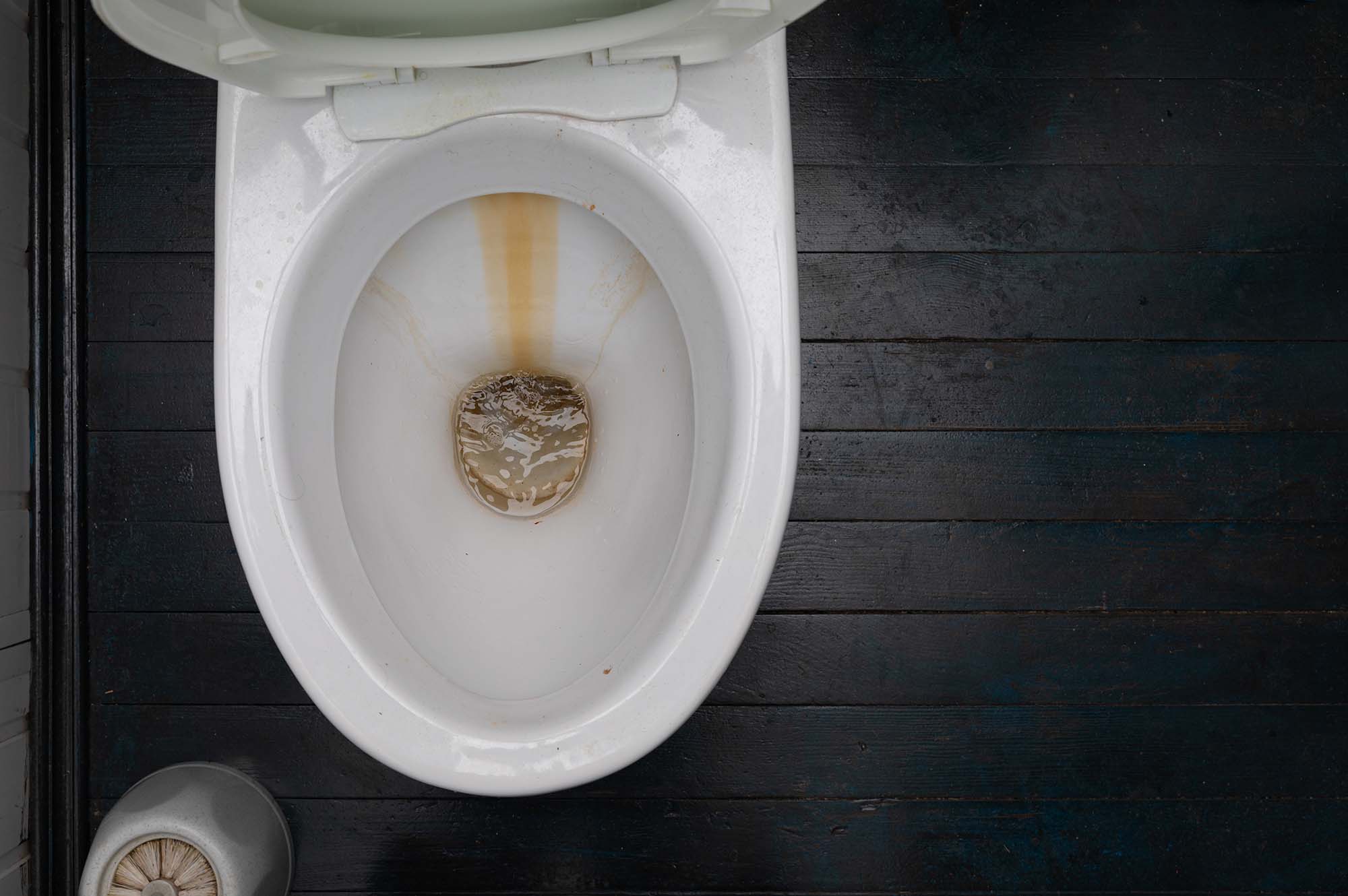
Step 1: Inspect the Toilet Base and Identify the Source of the Stain
Start by taking a close look at the entire area where the toilet meets the floor. Do this before assuming the discoloration is simply dirt that needs another round of cleaning.
Stains around commercial toilets can appear in several ways. You may notice yellow or brown discoloration, rust-colored marks, white or chalky deposits, dark grout, or residue collecting around caulk. The appearance can provide clues about what may be contributing to the problem, but it should not be used to identify mold, bacteria, or another substance by sight alone.
Check the toilet-to-floor seam, surrounding grout lines, caulk, and flooring. Look behind and beside the toilet as well. These areas can be harder to reach during routine floor cleaning, allowing residue to build gradually and make the restroom look less cared for.
Next, determine whether the area is dry or whether moisture is present. Standing water, damp flooring, or moisture that returns after being wiped away deserves additional attention. Check for cracked or deteriorating caulk and any visible signs that water has spread into the surrounding floor.
For recurring problems, documenting the location and appearance of the stain can help maintenance teams determine how often it returns. Most importantly, do not treat active water around a toilet base as a cleaning problem alone. If moisture keeps returning, the fixture or plumbing may need to be inspected.
Step 2: Remove Surface Residue and Visible Buildup
Once you have ruled out an obvious active leak, address the surface buildup around the toilet. Begin by removing loose debris, dust, paper, and other material from the area. Then clean the accessible flooring and edges around the toilet using products appropriate for the flooring, grout, caulk, and fixture materials.
Pay close attention to these areas:
- The seam where the toilet meets the floor
- Grout lines surrounding the fixture
- Caulked edges
- Floor-to-wall edges near the toilet
- Areas behind and beside the fixture
These locations can be easy to miss during routine restroom cleaning. A mop may clean the open portion of the floor while leaving residue along fixture edges and in grout lines. Over time, those narrow areas can become noticeably darker than the surrounding floor and make the restroom look neglected.
There is no single cleaning mixture that is appropriate for every commercial restroom surface. Instead of automatically using baking soda, acids, or another DIY solution, follow the cleaning-product and flooring manufacturer recommendations. The wrong product or an abrasive tool can dull a finish, damage grout, or affect caulk.
After cleaning, inspect the area again from the perspective of someone using the restroom. If the discoloration disappears, the problem may have been surface residue. If stains remain or quickly return, deeper buildup or an underlying maintenance issue may be responsible.
Step 3: Address Stubborn Mineral Deposits and Deep-Set Stains
Routine mopping and surface cleaning have limits. Older mineral deposits, rust-colored staining, darkened grout, and residue along fixture edges can remain even after the surrounding floor has been cleaned. Those remaining marks can stand out to customers and employees and affect the overall impression of the restroom.
Hard water is one possible contributor. When water repeatedly reaches the floor and evaporates, minerals can remain behind. Over time, these deposits can create white, cloudy, or discolored areas around fixtures. Similar buildup may appear around sinks, faucets, drains, and other areas regularly exposed to water.
Grout presents another challenge. Its textured surface can collect residue and gradually become darker, particularly around toilet bases and other hard-to-reach areas. The result can make the floor look dirty even shortly after routine cleaning.
Cleaning methods should match both the type of buildup and the surface being treated. Aggressive acids, abrasive tools, and incompatible chemical combinations can cause damage instead of improving the appearance.
When discoloration has spread into the surrounding floor, professional Tile & Grout Deep Cleaning Service can provide a deeper level of cleaning than routine mopping. Professional equipment and cleaning methods can address embedded buildup in grout and other difficult areas, helping restore cleaner grout and a brighter, more uniform floor.
If the stain returns despite deeper cleaning, it is time to look more closely at the source.
Step 4: Check for Leaks, Failed Seals, and Drain Problems
A stain that repeatedly appears around the same toilet may be telling you that cleaning is only part of the problem. Watch for moisture that returns after the area has been dried. Other warning signs can include a toilet that moves or rocks, deteriorating caulk, discoloration that continues to spread, recurring odors, slow drainage, or backups.
These problems require a different response than ordinary floor stains. A damaged seal or plumbing problem, for example, may allow moisture to reach the flooring around the toilet. Cleaning the stain can improve the area temporarily, but the discoloration may return until the source of the moisture is corrected.
Facility staff generally do not need to remove the toilet or attempt to diagnose internal components themselves. If there is reason to suspect a failed seal, damaged fixture, plumbing problem, or water beneath the flooring, have the appropriate maintenance or plumbing professional evaluate it.
Odors should also be considered when inspecting the restroom. If an unpleasant smell keeps returning, determine where it is strongest. An odor near the toilet does not necessarily mean the toilet itself is the source. Floor drains and other restroom drains may also contribute to recurring odor problems.
Enviro-Master’s Drain Treatment Services can help address buildup inside commercial drain lines when recurring drain odors become part of the restroom maintenance problem. Addressing the source can help the restroom smell fresher and support a better overall impression of the facility.
Knowing when to separate cleaning from repair can save time. Professional cleaning can address stains, residue, and buildup. Failed seals, leaks, damaged fixtures, and plumbing problems need to be repaired before cleaning can provide lasting visual results.
Step 5: Prevent Stains From Returning With Routine Restroom Maintenance
Once stains have been removed and any underlying repair issues have been addressed, the next step is preventing the area from returning to the same condition. Start by including toilet bases in routine restroom inspections. Cleaning teams naturally focus on toilet bowls, seats, sinks, mirrors, and open floor areas, but the narrow space around a fixture can receive less attention.
During restroom walkthroughs, check behind and beside toilets as well as directly in front of them. Look for early discoloration in grout, residue along caulk, moisture around fixture bases, and buildup at floor edges. Catching these details early can keep small appearance problems from becoming obvious to restroom users.
Cleaning frequency should reflect how the restroom is actually used. A customer restroom in a busy restaurant, retail store, office, or other high-traffic facility may require more frequent attention than a restroom with limited employee use.
Recurring problems can also help determine when deeper cleaning is needed. If grout gradually darkens or residue repeatedly collects around toilet bases despite routine maintenance, schedule deeper service before the buildup becomes highly visible.
A professional Restroom & Hygiene Service can complement everyday facility maintenance by giving additional attention to toilets, floors, fixtures, and other high-visibility restroom areas. Cleaner-looking surfaces and well-maintained fixtures can help the restroom create a stronger impression on customers, employees, tenants, and visitors.
Routine inspections also make it easier to identify problems that cleaning cannot correct. Cracked caulk, loose fixtures, recurring moisture, damaged flooring, and corrosion should be addressed before they create larger appearance or maintenance concerns. The objective is simple: keep the restroom looking cared for instead of waiting until stains become noticeable.
When Does Staining Around a Toilet Base Require Professional Cleaning?
Some toilet-base stains can be addressed during routine facility cleaning. Others continue to return or remain visible even after repeated attention. Professional cleaning may be worth considering when grout stays dark, mineral deposits remain around fixture edges, multiple toilets have similar staining, or buildup has reached areas that regular mopping does not effectively reach.
It may also be time for deeper cleaning when the restroom looks dull despite regular maintenance. Floors, grout, toilet bases, drains, and fixture edges all contribute to the overall impression of the room. Improving one surface while leaving surrounding buildup behind may not produce the polished appearance facility managers want.
Enviro-Master’s commercial cleaning services can supplement routine cleaning by targeting areas where deeper buildup has developed. Professional service can help restore brighter-looking floors, cleaner grout, fewer visible stains, and a more polished appearance throughout the restroom.
Cleaning does have limits. If stains are connected to an active leak, failed seal, damaged flooring, or another plumbing problem, that issue should be repaired by the appropriate professional. Once the source has been corrected, deeper cleaning can address the residue and discoloration left behind.
A well-maintained restroom contributes to the overall impression customers, employees, tenants, and visitors have of a business. Cleaner-looking floors, brighter grout, fresh-smelling spaces, and well-maintained fixtures show that the facility receives attention beyond basic daily cleaning.
Stains around a toilet base may seem like a small detail, but restroom users see those details up close. Addressing buildup early, watching for recurring moisture, and scheduling deeper cleaning when needed can help maintain a restroom that looks cleaner, better cared for, and more representative of the standards your business wants to project.
