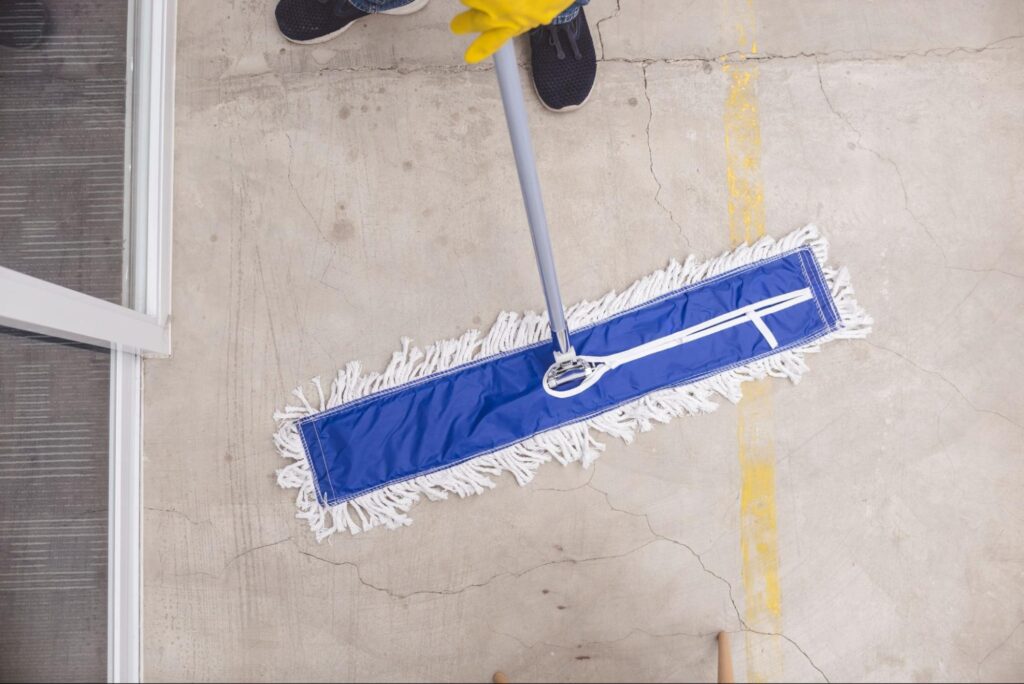
Dry mopping is a way to clean floors without using water or liquid cleaners. You use a dry or slightly damp mop pad, often made of microfiber or an electrostatic material, to pick up dust, dirt, and small debris from the surface. It works well on hardwood, laminate, and vinyl, helping keep floors looking clean and well maintained.
In this guide, you will learn what dry mopping is, how dry mopping works, why it matters for both homes and commercial cleaning, and how to use the right tools and technique for different floor types. By the end, you will know how to maintain floors that look consistent, well kept, and aligned with the gold standard of cleaning.
What Is Dry Mopping?
Dry mopping is used as part of routine cleaning to keep floors looking consistent throughout the day. Instead of letting dust and debris build up, this method removes it early, which helps protect the surface and maintain a clean appearance in both homes and commercial spaces.
Dry mopping is often used as a first step in a full cleaning process. By removing loose dirt and debris early, it prevents particles from being pushed deeper into the floor during wet mopping. This helps maintain a more even finish and reduces long-term wear, especially in high-traffic commercial environments.
In high-traffic environments, dry mopping is often done multiple times a day to keep floors looking presentable. It is a fast and repeatable process that fits easily into daily cleaning routines without slowing down operations. This makes it a reliable option for maintaining a professional appearance in spaces where first impressions matter.
Dry mopping also plays a key role before a deeper clean. By clearing away loose debris first, it allows wet mopping or other cleaning methods to work more effectively. This reduces buildup over time and helps maintain a higher standard of floor care without adding unnecessary steps.
What Are the Benefits of Dry Mopping?
Dry mopping helps your floors look clean, consistent, and well cared for. It removes dust and debris quickly, making it easier to maintain a strong first impression in both homes and commercial spaces.
Minimal Moisture
Dry mopping avoids excess moisture, which helps protect surfaces like hardwood and laminate from damage such as warping or swelling.
Efficiency and Convenience
Dry mopping saves time. You skip the bucket and get straight to cleaning. It handles daily upkeep quickly, especially in busy commercial settings.
Dust and Allergen Reduction
Dry mopping lifts dust and fine debris so floors look fresh and ready to use. Microfiber pads grab and hold particles instead of pushing them around.
This makes dry mopping a practical choice for maintaining a clean, consistent look without adding extra time or complexity to your cleaning routine.
How Do You Dry Mop The Right Way?
Dry mopping works best when you follow a simple, repeatable process. Start in one corner of the space and move the mop in a figure eight pattern. This motion pulls dust and debris toward you instead of pushing it across the floor.
Keep the mop head flat and maintain steady, controlled movements. As the pad collects debris, replace or shake it out so you are not spreading dirt back onto the surface. This keeps your cleaning consistent and effective.
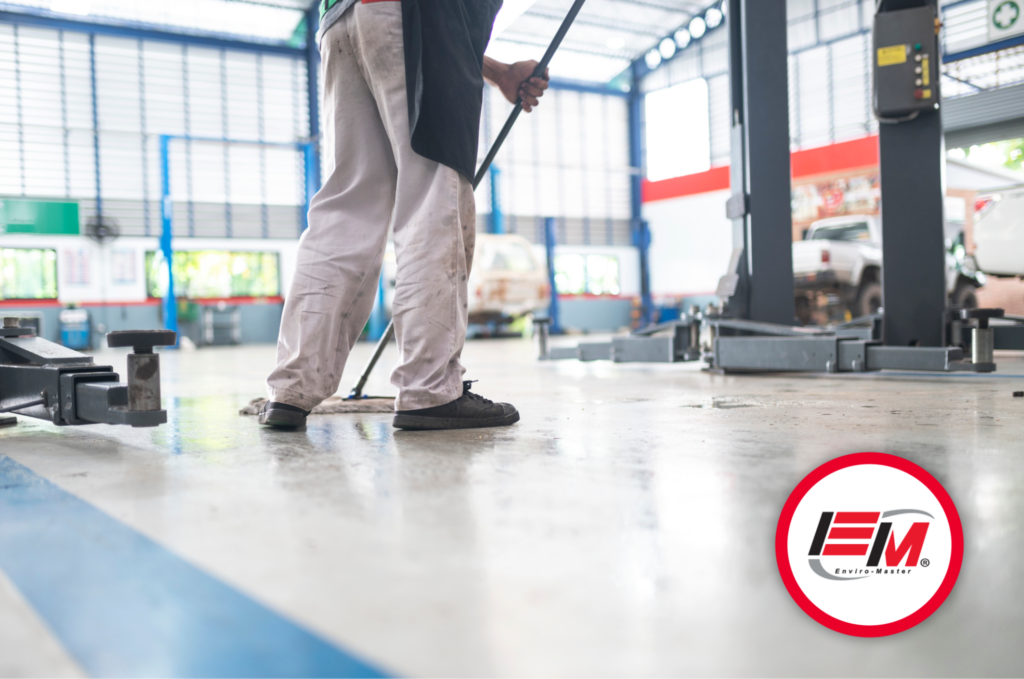
In commercial cleaning environments, this method helps maintain floors throughout the day without slowing down operations. Dry mopping removes surface debris quickly, making it easier to follow with a deeper clean when needed.
How Do You Choose The Right Dry Mop?
Choosing the right dry mop improves how well your cleaning performs. Modern microfiber mops are designed to capture dust and debris instead of pushing it around, making them a reliable choice for both routine cleaning and commercial use.
What Defines a Dry Mop?
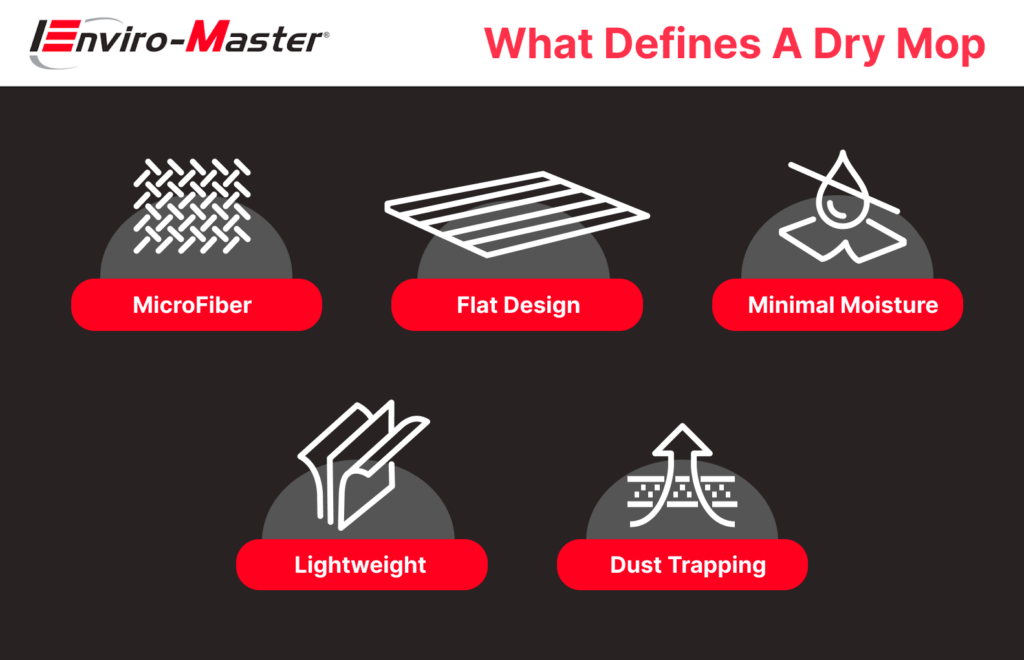
The dry mop is specifically designed for dry or minimal-moisture cleaning, capturing dust, hair, and fine particles without a liquid floor cleaner. Most dry mops share a few key features:
Material Type
Most dry mops use microfiber or electrostatic pads that attract and hold dust instead of pushing it around. A microfiber mop’s dense, fine fibers capture small dust particles, outperforming cotton or sponge mops.
Physical Design
Dry mops use a flat, flexible head for easy navigation under furniture and tight corners, ensuring full surface contact for better debris collection.
Minimal Moisture
Dry mops are used without water or with very little moisture, making them safe for surfaces like hardwood and laminate, offering effective dust mopping with just a hint of dampness when needed.
Ease of Use
Dry mops are lightweight and simple to handle. Many use reusable, washable pads, which makes them practical for daily cleaning.
Dust Control
Microfiber and electrostatic materials trap dust and debris so it stays in the pad instead of spreading across the floor.
Choosing the right mop also helps improve efficiency and consistency, especially in larger commercial spaces where routine cleaning needs to be fast and repeatable.
How Should You Dry Mop Different Floor Types?
Different floor types need slightly different care to keep them looking their best. Dry mopping works well across most surfaces but using the right approach helps protect the material and maintain a clean, consistent appearance. Here is what to know for each type of flooring:
Laminate Floors
- Minimal Moisture: Laminate floors do not handle water well. Too much moisture can seep into the seams and cause swelling or warping over time. Dry mopping removes dust and debris without risking damage.
- Gentle Cleaning: When you need a deeper clean, use a laminate-safe cleaner. Spray it lightly onto the mop pad, not directly on the floor, to avoid excess moisture.
Hardwood Floors
- Proper Cleaning Products: Dry mopping removes dust and dirt, but hardwood floors still need an occasional deeper clean. Use a cleaner made for hardwood to protect the finish.
- Avoid Excess Water: Hardwood can be damaged by too much moisture. Use small amounts of cleaner and dry the floor quickly to prevent damage.
Tile Floors
- Grout Care: Tile can handle more moisture, but grout needs extra attention. Clean grout regularly to keep floors looking fresh and well maintained.
- Avoid Harsh Tools: Tile is durable, but rough scrubbers can scratch the surface. Use a soft mop and the right cleaner to protect the finish.
Vinyl Floors
- Use the Right Cleaner: Vinyl is durable, but harsh chemicals can dull the surface. Use a gentle, pH-neutral cleaner to keep it looking its best.
- Routine Cleaning: Regular sweeping or dry mopping prevents scratches from debris and helps extend the life of your floors.
Stone Floors
- Use Stone-Safe Cleaners: Natural stone like marble or granite needs a cleaner made for stone. Avoid acidic products like vinegar, which can damage the surface.
- Clean Spills Quickly: Stone can absorb liquids, which can lead to stains. Wipe up spills right away to protect the surface.
Why Choose Enviro-Master’s MicroMax Service?
Enviro-Master’s MicroMax Floor Cleaning Service uses advanced microfiber technology and a structured approach to deliver consistent results across commercial spaces. It is designed for hard surfaces like tile, hardwood, laminate, and vinyl, helping businesses maintain floors that look clean and well cared for.
MicroMax supports both routine cleaning and deep clean services by removing buildup that regular maintenance can miss. This helps protect flooring over time while keeping high-traffic areas looking consistent throughout the day.
With trained technicians and reliable service, MicroMax helps businesses maintain a gold standard of floor care. The focus is simple: floors that look clean, feel well maintained, and leave a strong impression on customers and employees. If you are looking to maintain a higher standard of floor care, contact us to learn more about Enviro-Master’s MicroMax services available across North America and Canada.
